August 7, 2026
Selecting the ideal heating and cooling equipment for a house is a significant decision that impacts daily comfort and energy costs for a very long time. Homeowners understandably feel overwhelmed by the sheer volume of choices available on the market today. The process involves understanding how different units work and what features matter most for unique environmental conditions. Whether upgrading an outdated setup or installing a brand-new unit, making an informed choice is essential for long-term satisfaction. The right setup keeps the indoor climate pleasant while running efficiently, keeping utility bills manageable. A major part of keeping any new installation running smoothly involves keeping up with regular HVAC maintenance over the years. Knowing what to look for and how to evaluate specific property needs will expertly guide any homeowner toward the best possible financial investment.
Assess Your Climate Needs
The local weather plays a massive role in determining which heating and cooling setup will work best for your unique living situation. Homes located in areas with severe winter weather require robust heating solutions to keep the indoor environment safe and comfortable throughout the colder months. Conversely, properties situated in sweltering regions demand powerful air conditioning units capable of removing excess moisture while lowering internal temperatures effectively. Some regions experience surprisingly mild weather year-round, opening up different possibilities, such as versatile units that handle both heating and cooling in a unified package. Failing to account for local weather patterns can result in purchasing equipment that struggles to keep up with extreme temperature fluctuations. This continuous strain highlights the critical need for consistent HVAC maintenance to prevent unexpected breakdowns during peak seasons. Carefully analyzing historical weather patterns ensures the selected equipment has the proper capacity to handle whatever Mother Nature brings.
Evaluate Your Home Size and Layout
The physical dimensions and architectural layout of a residence strictly dictate the required capacity of any heating and cooling equipment you purchase. A unit that is far too small will run endlessly, struggling to reach the desired thermostat setting, which wastes energy and severely accelerates mechanical failure. On the other hand, an oversized unit will cool or heat the space too quickly and shut off prematurely before properly filtering the air or removing uncomfortable humidity. This rapid cycling leads to a clammy indoor environment and places entirely unnecessary stress on the internal system components. To find the perfect fit, it is important to perform a proper load calculation that considers square footage, ceiling height, and window placement. No matter the physical size of the equipment chosen, scheduling routine HVAC maintenance remains the absolute best way to preserve its efficiency and longevity. Matching capacity precisely to physical characteristics is a foundational step.
Understand the Different Equipment Options
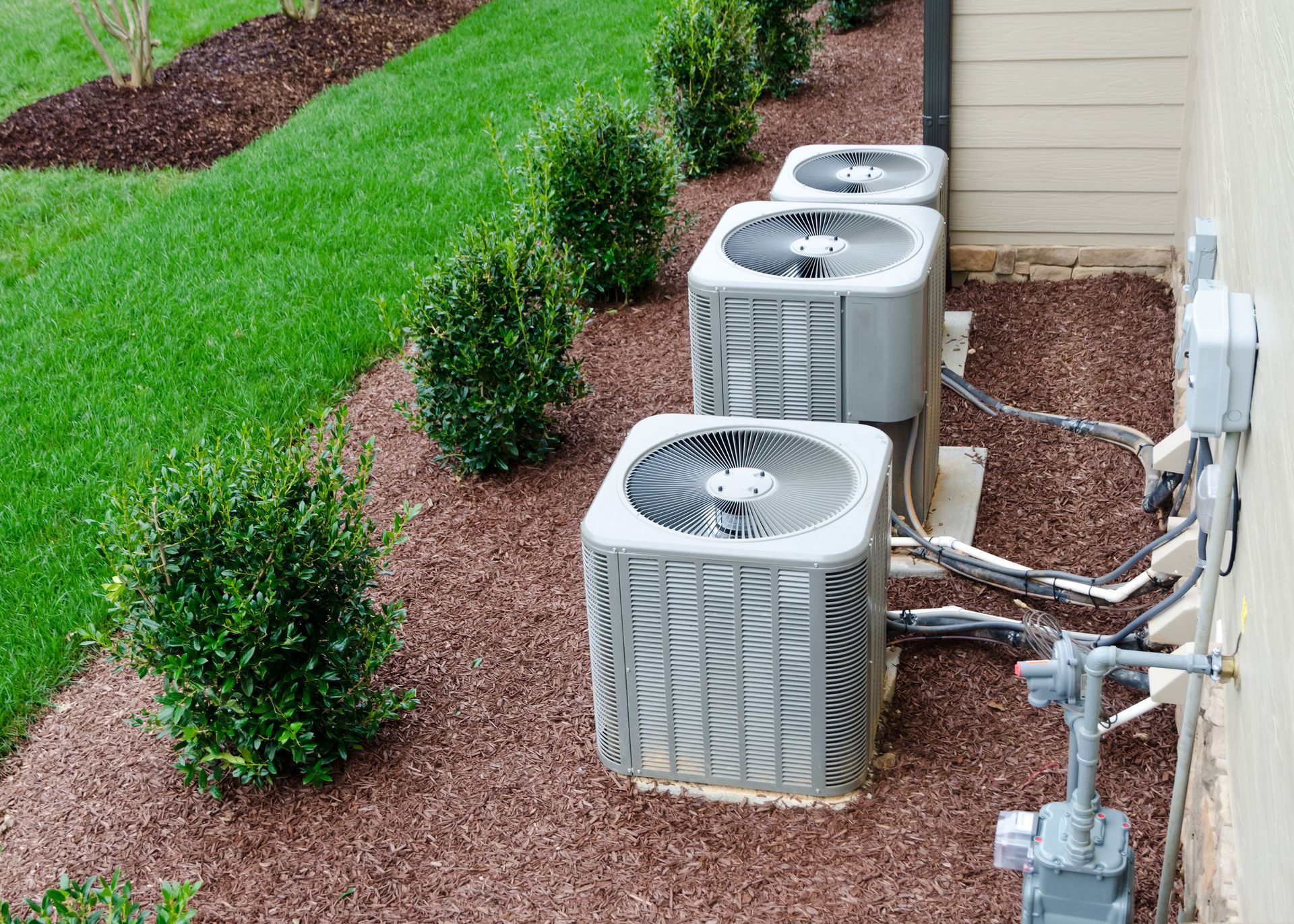
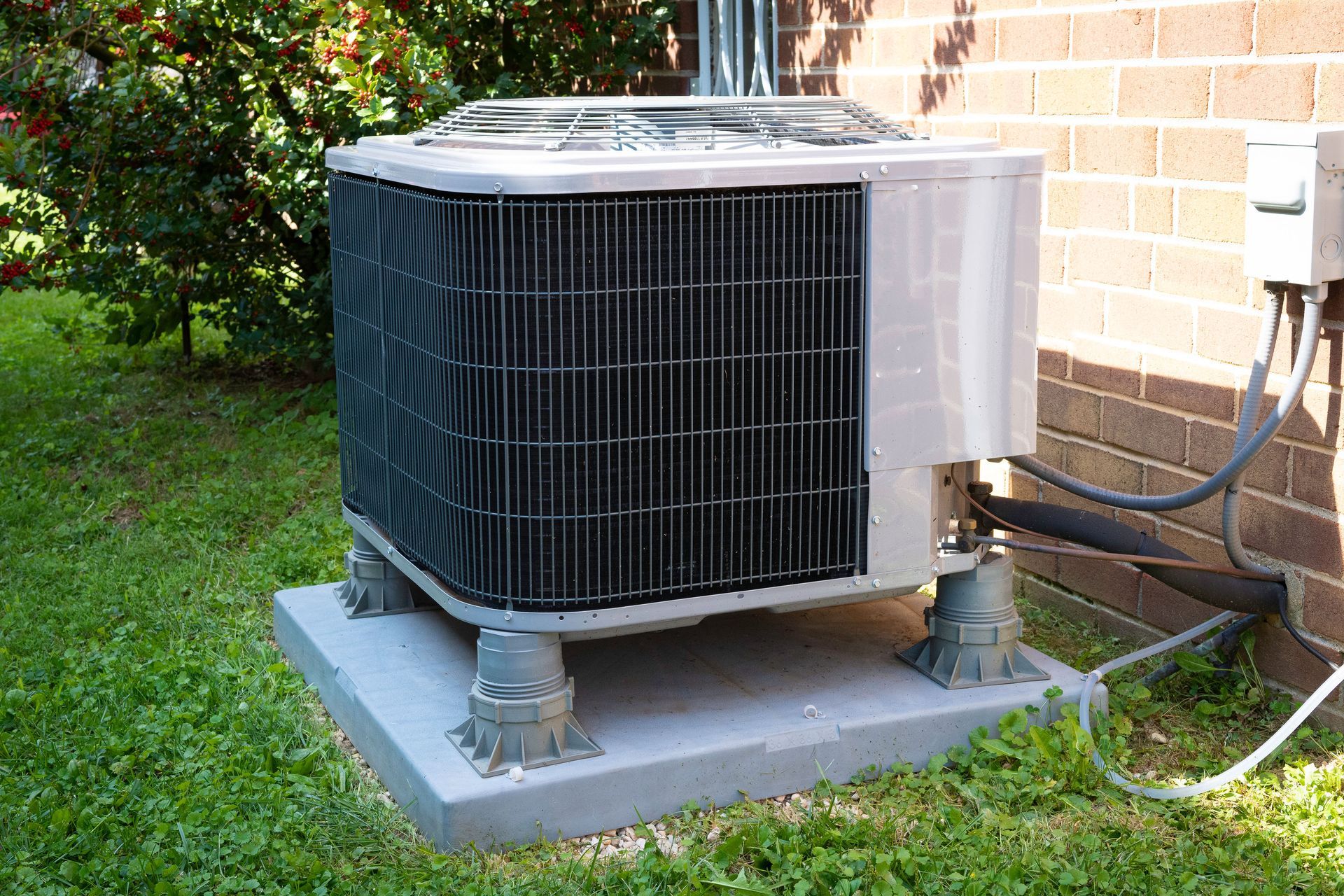
Navigating the various types of heating and cooling setups is incredibly vital for making a truly sound financial investment. Traditional central systems remain highly popular everywhere, utilizing a network of ducts to distribute conditioned air throughout the entire house effectively. These reliable setups usually pair a robust furnace for heating with an external air conditioner for powerful cooling. For homes lacking existing ductwork, ductless setups offer a fantastic, flexible alternative that avoids massive renovation projects. These distinct units feature an outdoor compressor connected directly to individual indoor air handlers, easily allowing for customized temperature control in specific isolated zones. Another innovative option involves heat pumps, which efficiently transfer heat rather than actively generating it. Heat pumps cleverly draw warmth from the outside air during colder months and reverse the process to expel heat during warmer months. Regardless of the technology chosen, committing to proactive HVAC maintenance ensures the complex machinery operates smoothly.
Prioritize High Energy Efficiency Ratings
Overall energy efficiency should always be a primary concern when carefully evaluating brand-new heating and cooling equipment for your property. High-efficiency units consume significantly less power to produce the exact same amount of comfort, translating directly into lower monthly utility bills year after year. Strict industry standards utilize specific rating scales to measure precisely how effectively these various units operate. Understanding these vital ratings greatly helps consumers compare different models accurately before making a final purchasing decision. While highly efficient models often come with a notably higher initial price tag, the tremendous long-term savings on energy consumption usually easily offset the upfront cost. Additionally, eco-friendly models greatly reduce the overall carbon footprint of a modern household. According to This Old House, an HVAC system can last up to 15 to 20 years with proper maintenance. Investing in top-tier efficiency is only part of the battle; prioritizing ongoing HVAC maintenance protects that expensive investment.
Consider Your Indoor Air Quality Goals
Modern heating and cooling equipment does much more than just carefully regulate temperature; it also plays a critical role in actively managing indoor air quality. Newer homes are built much tighter today to completely prevent energy loss, but this unfortunately can trap airborne pollutants, irritating allergens, and stale air indoors. Selecting a versatile setup totally compatible with advanced air purification and heavy-duty filtration accessories can significantly improve the daily breathing environment. Excellent features like high-efficiency media filters easily capture microscopic particles, while built-in humidifiers constantly keep moisture levels perfectly balanced. Proper humidity control actively prevents dangerous mold growth in dark areas and effectively eliminates dry skin during colder months. Upgrading to a modern setup that integrates seamlessly with air quality enhancements creates a substantially healthier living space. However, delicate filtration mechanisms strictly require regular, careful attention to function correctly. This is exactly why incorporating air quality checks into routine HVAC maintenance is absolutely vital.
Plan for Long-Term System Reliability
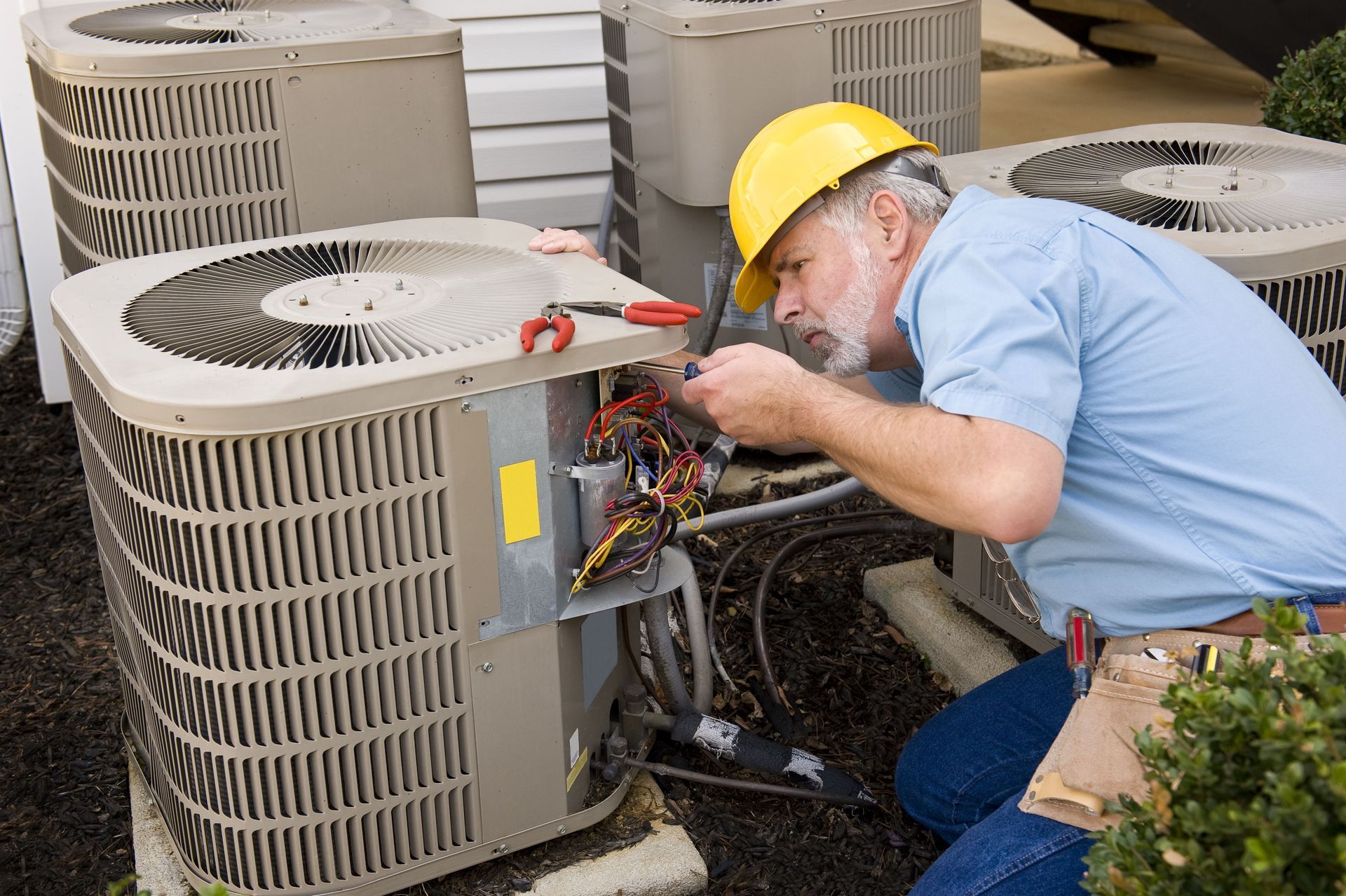
When investing in new climate control machinery, looking ahead to the future is just as important as solving immediate temperature issues inside the residence. The longevity and reliability of your chosen setup depend heavily on the quality of the original installation and the ongoing care it receives over subsequent seasons. Choosing a reputable brand known for durability provides tremendous peace of mind, knowing that the internal components are built to withstand heavy daily usage. Furthermore, understanding the warranty terms associated with different models can save you significant money if unexpected repairs become necessary. It is highly recommended to establish a strong relationship with a local professional who can address minor problems before they escalate. Staying proactive rather than reactive is the key to enjoying uninterrupted comfort while maximizing the lifespan of mechanical investments. Consistent scheduling of HVAC maintenance is the single most effective strategy for ensuring the equipment remains in pristine condition.
Finding the ideal heating and cooling setup directly requires careful, thoughtful consideration of local weather, physical property size, available modern technology, and personal efficiency goals. By actively taking the proper time to thoroughly evaluate these incredibly crucial factors, homeowners can confidently select a solution that constantly delivers reliable comfort and manageable energy costs. A well-chosen, expertly installed unit will wonderfully transform the indoor climate, making the entire house a peaceful haven regardless of the harsh conditions outside. The absolute key to maximizing the immense value of this highly significant investment safely lies in ongoing careful care and routine professional upkeep. Diligently scheduling seasonal care virtually guarantees the complex equipment runs safely, efficiently, and reliably for as long as possible, totally preventing highly disruptive, unexpected breakdowns. When it is finally time to explore exciting new climate control options, safely consulting with highly experienced professionals makes the process seamless. Call GMG HVAC Inc today to learn more.