July 7, 2026
Managing a household requires a balanced understanding of several complex systems that work together to create a safe, welcoming environment. Among these essential systems, the equipment responsible for heating, ventilation, and air conditioning stands as a foundational pillar of modern residential comfort. For many individuals, this intricate machinery operates silently in the background, only drawing attention when sudden failure occurs or extreme weather shifts demand maximum performance. Developing a comprehensive understanding of how these mechanical units function not only empowers property owners to make informed choices but also helps preserve the overall value and safety of their property over time.
A primary step in mastering residential property management involves looking past the thermostat on the wall to explore the interconnected mechanisms that regulate indoor environments. These components are designed to control temperature, manage moisture levels, and filter out airborne impurities that can impact respiratory health. When a household system is ignored, performance steadily declines, resulting in higher utility expenses and unexpected mechanical emergencies. By committing to standard upkeep and learning the fundamental principles of residential climate control, individuals can ensure their living spaces remain a comfortable sanctuary regardless of weather conditions.
Comprehend the Basic Components
The modern residential comfort system relies on several primary components working in harmony to regulate internal climates. The heating element, often consisting of a furnace or a heat pump, serves as the primary source of warmth during winter, utilizing fuel or electrical energy to generate thermal power. Conversely, the cooling system utilizes specialized refrigerant lines and compressor units to extract warm air from inside the home and transfer it outdoors, leaving behind a refreshed, cooled indoor environment. These processes require precise airflow management to move conditioned air throughout the entire residential floor plan.
Connecting these heating and cooling elements is the ventilation network, which consists of a series of ducts and return vents engineered to circulate air evenly. The blower motor pushes air through this ductwork, while air filters trap dust, pet dander, and pollen before air enters living spaces. Understanding how these parts interact highlights why consistent HVAC maintenance is vital to prevent performance degradation. When any single part of this network experiences excessive wear or blockage, the remaining mechanisms must work much harder to compensate, accelerating wear across the entire installation.
Maximize Seasonal Energy Efficiency
Achieving optimal energy efficiency is a primary goal for any modern homeowner seeking to manage household operating expenditures. The efficiency of a residential climate system is determined by how effectively it converts electrical energy or fuel into heating or cooling power. Systems that operate with high efficiency minimize wasted energy, which directly correlates with reduced utility expenses and a smaller environmental footprint. Maintaining this level of performance demands a proactive approach to managing airflow, cleanliness, and component calibration before seasonal weather extremes place heavy demands on the machinery.
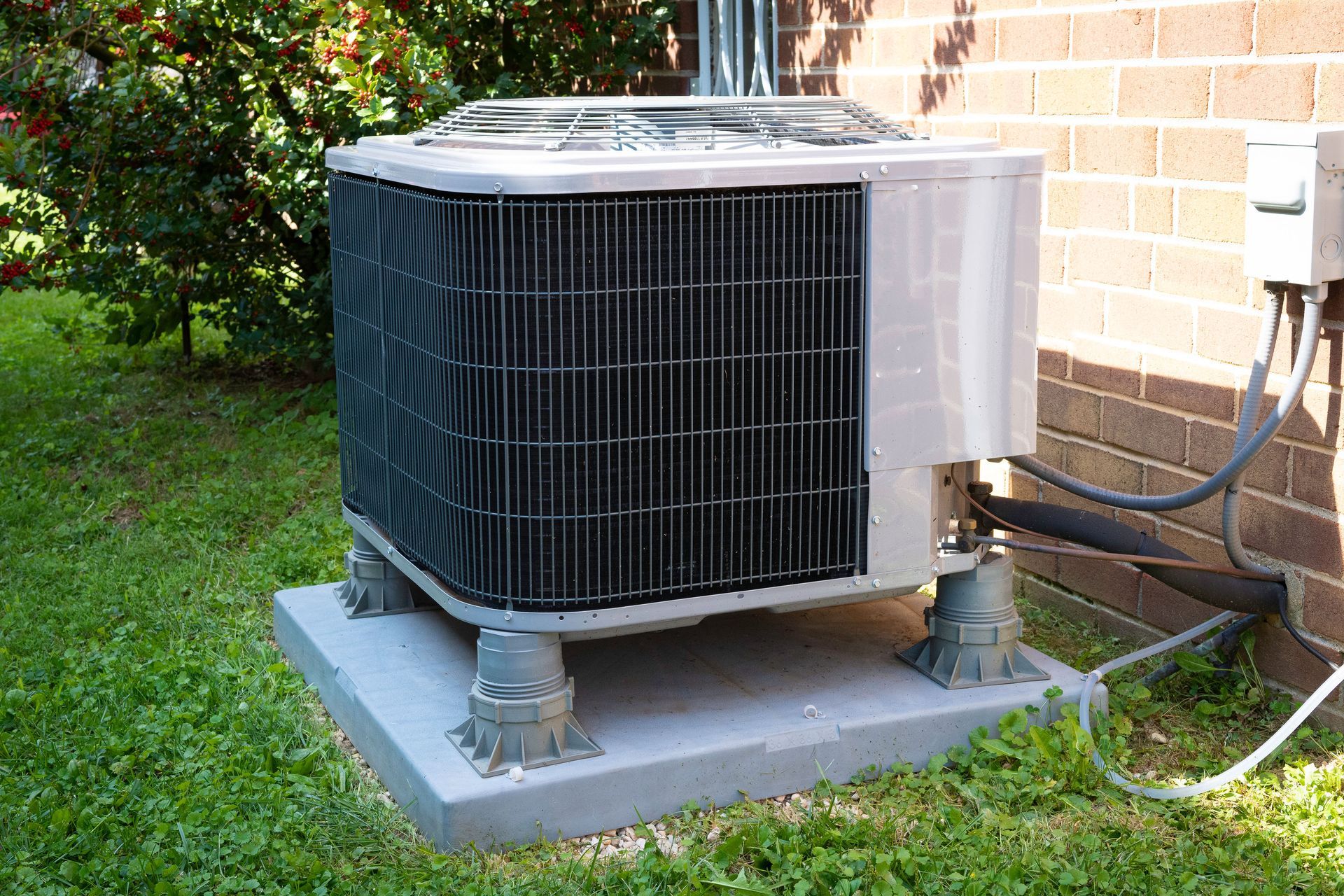
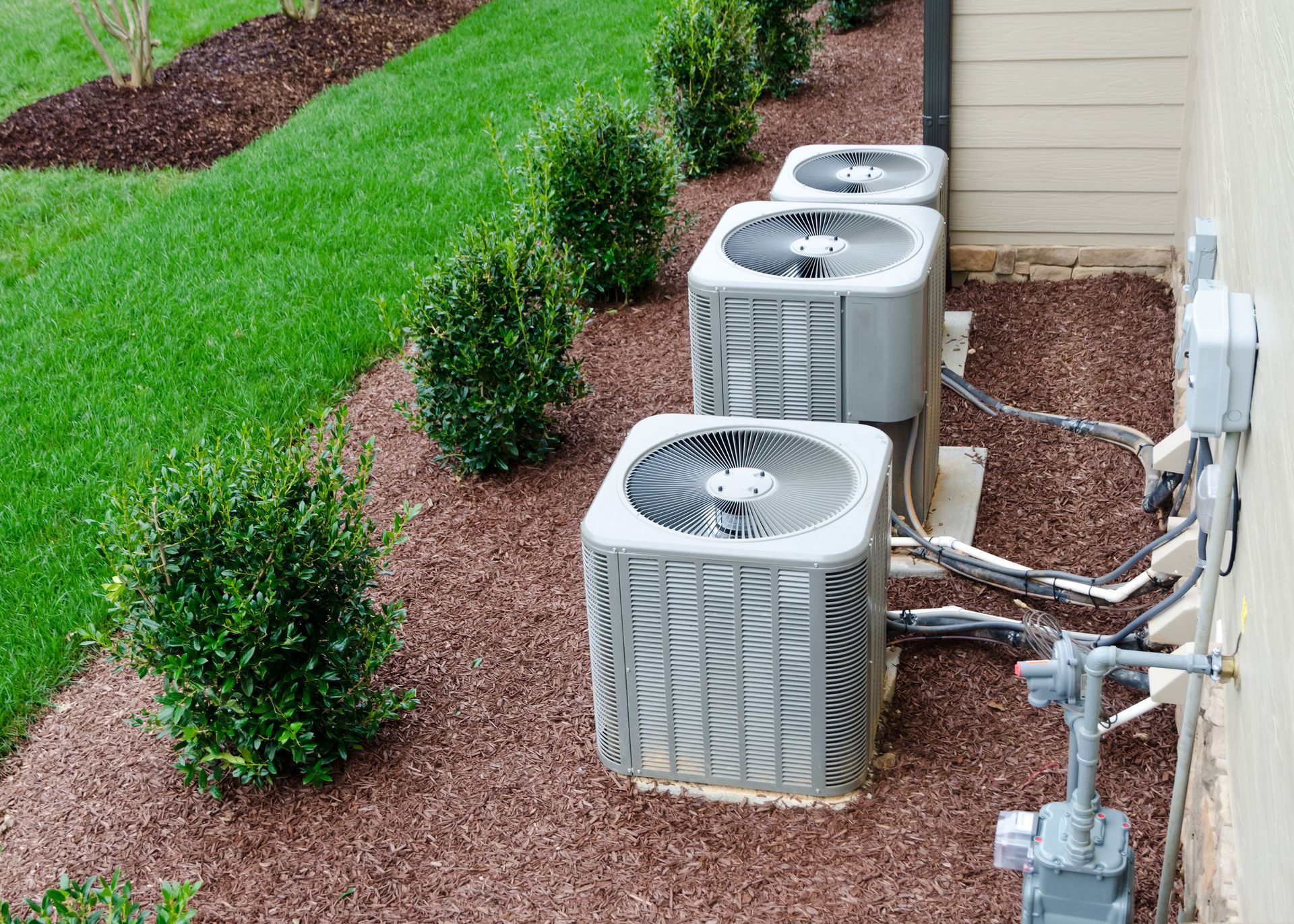
Simple practices can dramatically enhance seasonal efficiency without requiring major financial investments. Keeping supply vents open, ensuring that outdoor condenser units remain free from leaves or debris, and utilizing programmable thermostats effectively can prevent unnecessary operational strain. Additionally, routine HVAC maintenance helps preserve the original efficiency ratings of the equipment, preventing the gradual decline in performance that typically occurs when dirt accumulates on internal coils or when moving parts lose lubrication. By focusing on efficiency, property owners protect their financial resources while enjoying a consistently comfortable indoor environment.
Recognize Critical Warning Signs
Mechanical systems rarely fail without providing preliminary indications of distress, and recognizing these warning signs early can save homeowners from expensive emergency repairs. Unusual auditory feedback, such as rattling, squealing, or grinding noises coming from the equipment, often signals that a component has shifted out of alignment or requires immediate mechanical attention. Sudden, unexplained increases in monthly utility statements can also indicate that the machinery is working under excessive strain to achieve standard temperature settings, pointing to internal issues that require thorough evaluation.
Inconsistent temperature regulation throughout different rooms or a sudden decrease in airflow from supply registers are further indications of underlying system problems. Homeowners might also notice unusual odors, such as musty smells coming from the ductwork, which suggest moisture accumulation or filtration failures. Ignoring these subtle shifts in performance can allow minor mechanical issues to escalate into complete system failures. Prioritizing routine HVAC maintenance ensures that a qualified technician can identify and resolve these underlying complications before they disrupt household comfort or lead to major operational breakdowns.
Improve Indoor Air Quality
While temperature regulation is the most noticeable function of a residential climate system, managing indoor air quality is equally important for household health and safety. The air circulating through a home can contain a variety of microscopic contaminants, including dust, mold spores, allergens, and chemical residues from household products. Without proper filtration and ventilation, these particles accumulate over time, potentially causing respiratory discomfort or exacerbating existing health conditions for sensitive individuals living within the residence.
Enhancing internal air cleanliness requires a combination of high-quality filtration and consistent system cleanliness. Upgrading to advanced air filters designed to capture smaller particles can significantly reduce the volume of airborne irritants circulating through the living areas. Furthermore, regular HVAC maintenance plays a critical role in preventing contaminant accumulation within the main units and ductwork. Clean coils, clear condensate drain lines, and well-maintained blower components ensure that the air moving through the property remains clean, fresh, and safe for everyone in the household.
Extend System Operational Lifespan
Replacing a complete residential heating and cooling system represents a substantial financial investment that most property owners prefer to delay for as long as possible. The functional lifespan of this machinery depends heavily on how well it is cared for throughout its operational years. Equipment that operates under continuous stress due to clogged filters, neglected calibration, or worn components will inevitably experience premature failure, forcing homeowners to face premature replacement expenses that could have been avoided with proper care.
According to Forbes, you should schedule a professional HVAC maintenance check once every year. Adhering to this expert recommendation ensures that internal mechanisms receive the necessary cleaning, lubrication, and adjustments required to prevent accelerated wear. This regular attention minimizes structural stress on the compressor, heat exchanger, and fan motors, allowing the equipment to achieve its maximum potential operational lifespan. Investing time and attention into standard HVAC maintenance preserves the mechanical integrity of the installation, delivering long-term financial dividends by postponing expensive replacement projects.
Select the Perfect Professional Partner
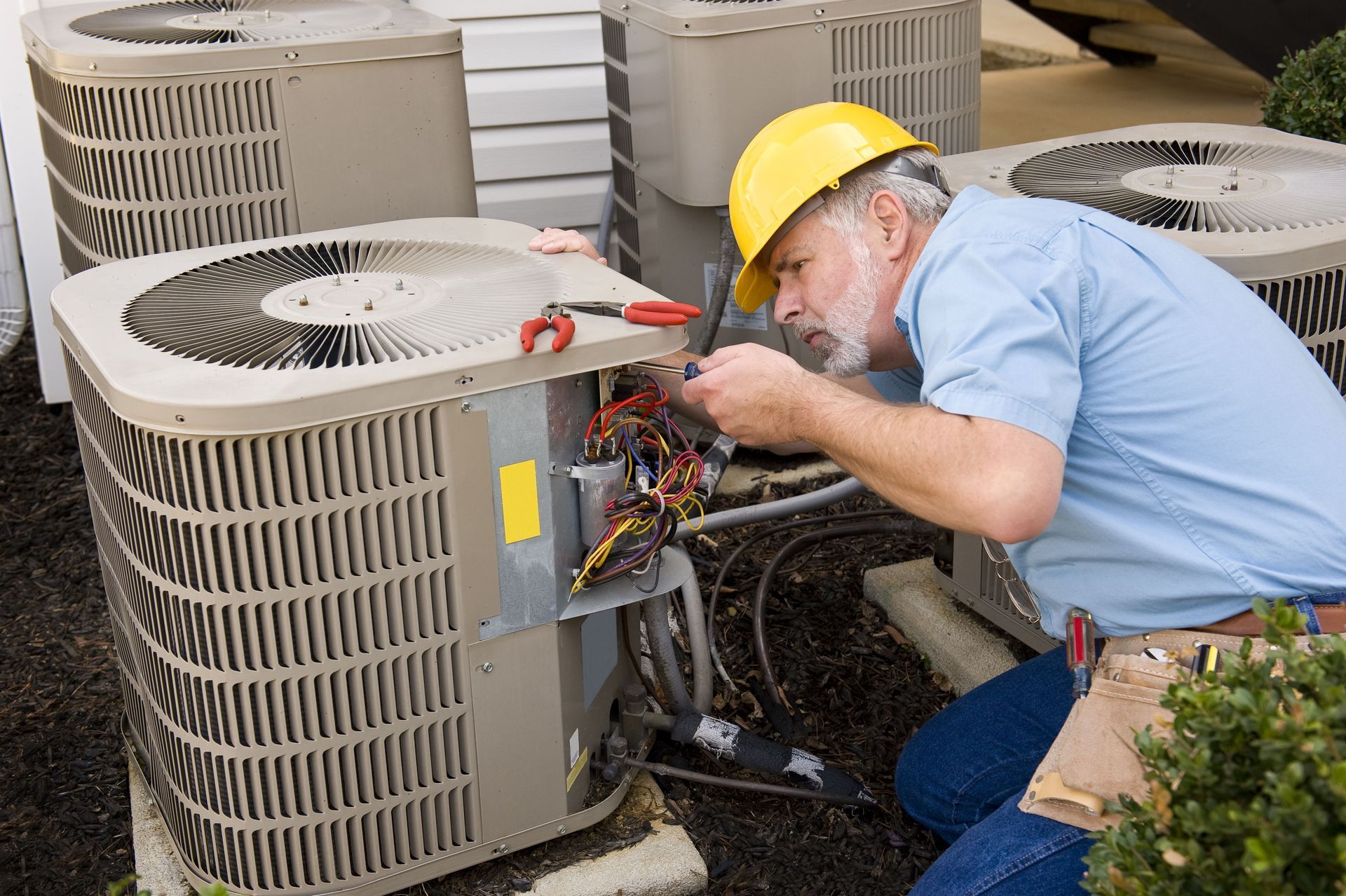
Navigating the complexities of mechanical system upkeep often requires specialized tools, technical knowledge, and safety certifications that go beyond standard household capabilities. While homeowners can easily handle basic tasks like replacing air filters, comprehensive diagnostic checks require professional expertise. Choosing a qualified service provider ensures that intricate electrical connections, refrigerant levels, and combustion systems are evaluated safely and accurately according to current industry standards and manufacturer specifications.
Preserving the comfort, efficiency, and safety of your living environment demands a consistent commitment to professional care and technical excellence. At GMG HVAC Inc, we bring extensive experience and specialized knowledge to every service call, ensuring that your home equipment operates flawlessly through every season of the year. Our dedicated team works collectively to deliver comprehensive inspection, tuning, and diagnostic solutions tailored to your specific household needs, helping you secure long-term performance and complete peace of mind for your property. Contact us today to learn more.